National Security
America's Mining Investment Must Reach Students
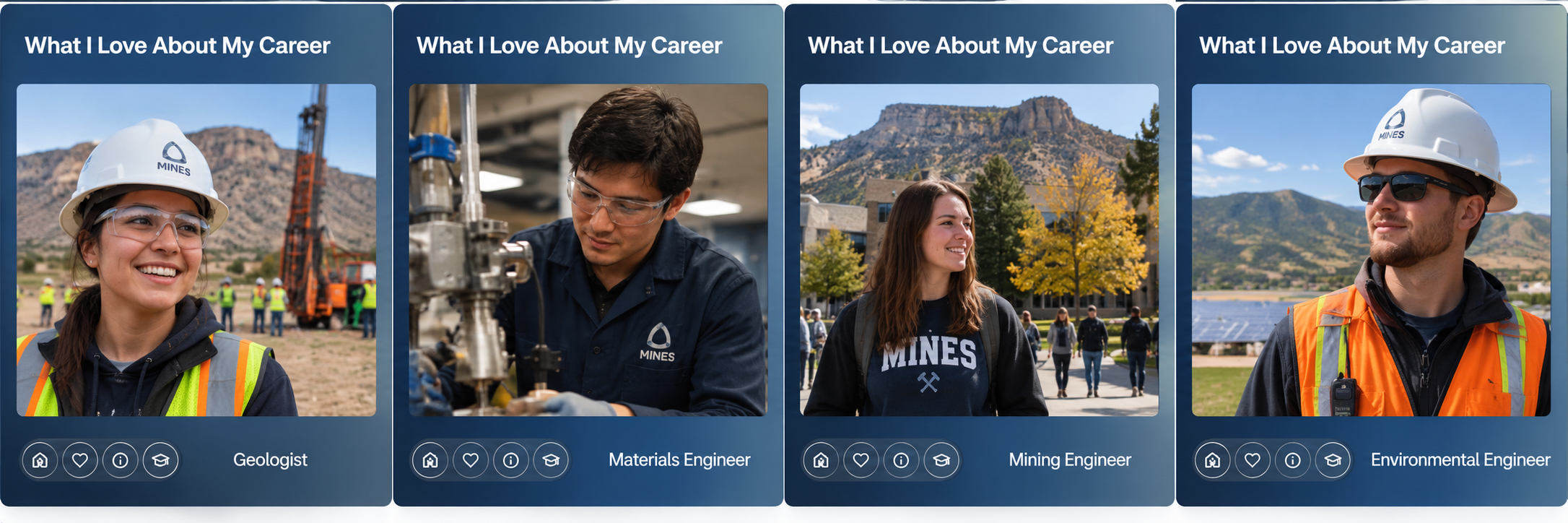
Career Invites mining career library example
America’s critical-minerals challenge is often framed as a problem of mines, permits, processing facilities and capital. But none of those assets can operate without people.
On August 7, the Department of Energy announced its intent to invest up to $100 million through its new PROSPECT initiative—Providing Opportunities for Specialized Education in Critical Technologies.
The program’s near-term goal is ambitious: double the number of graduates in mining, minerals and associated supply-chain technologies within two years. DOE estimates that the United States will need approximately 6,000 new mining-sector engineers over the next decade, with additional shortages in materials science, processing and recycling.
This investment is necessary. But Washington cannot solve the mining workforce shortage solely by investing in colleges. Students entering college cannot pursue careers they are unaware of.
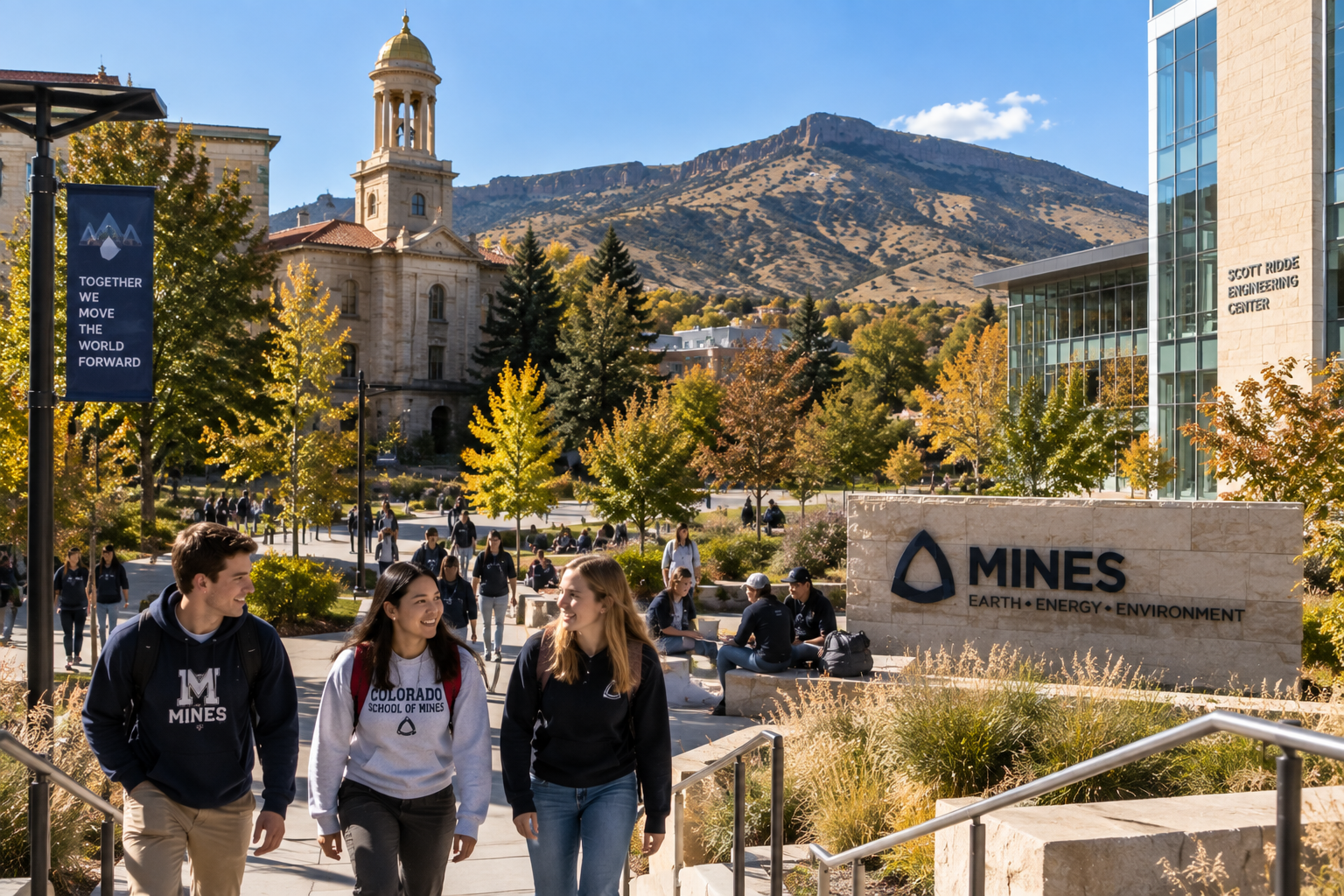
Colorado School of Mines campus
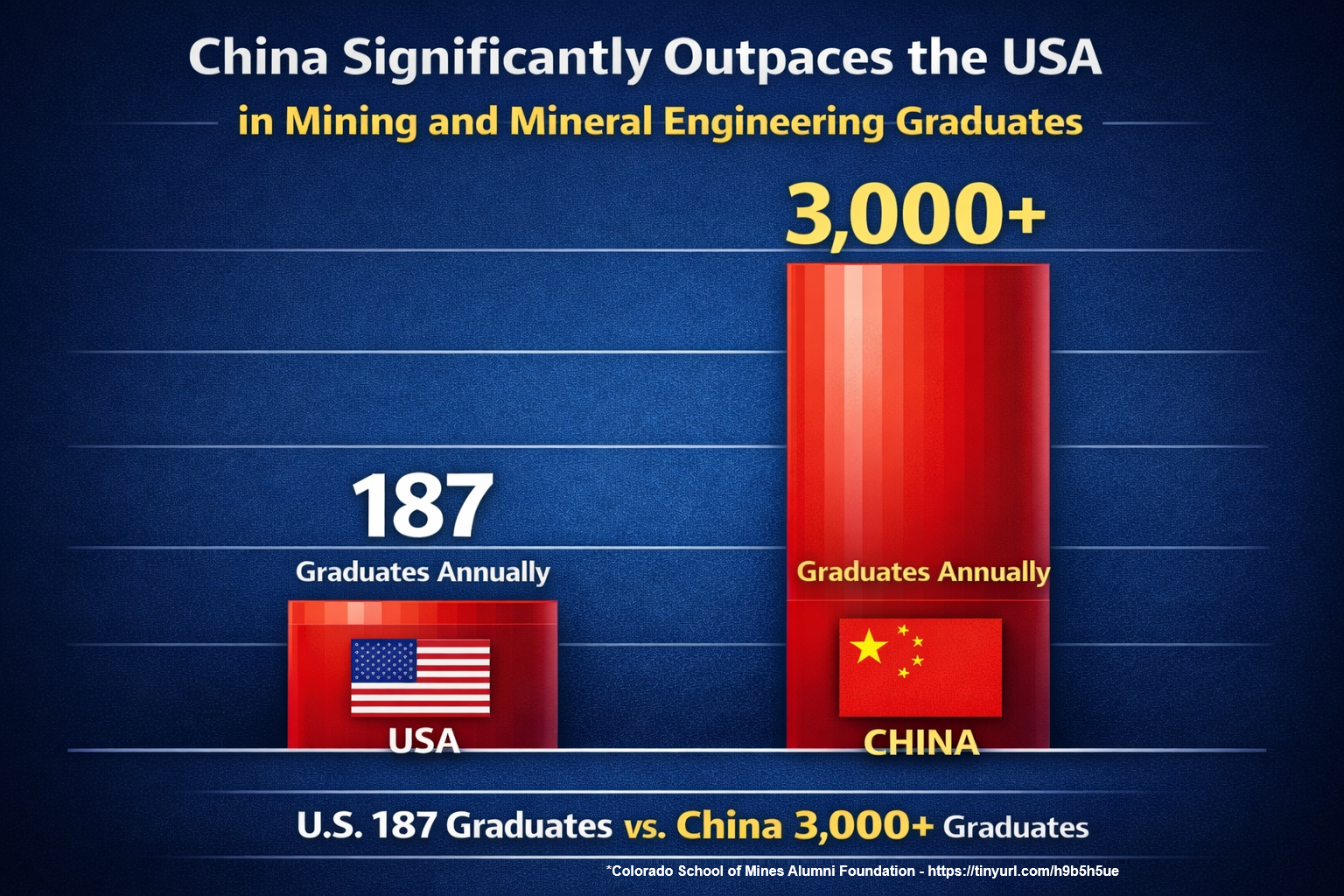
The United States has just 14 mining engineering programs. In 2023, those programs collectively enrolled only 590 undergraduates and graduated 162 students—far short of estimated industry demand for 400 to 600 new mining engineers annually.
Those numbers reflect more than limited educational capacity. They reveal a profound awareness gap.
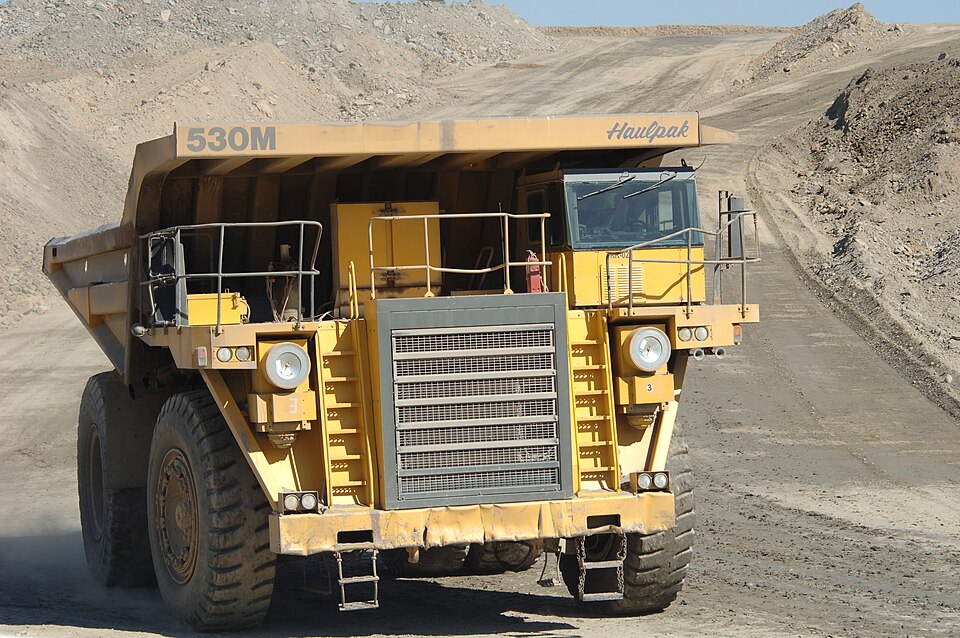
Most teenagers have never met a geologist, mining engineer, metallurgist, mineral-processing specialist or mine electrician. Few understand that modern mining involves robotics, automation, advanced data systems, electrified equipment, environmental monitoring, water stewardship, reclamation and sophisticated materials science.
University of Arizona researchers found that just three weeks into their first semester, about 80% of first-year engineering students had already decided on a major. The implication for mining is clear: college-level recruiting alone reaches many students after they have already chosen a university and have begun pursuing another field.
Mining career discovery must begin earlier, while students are still in high school.
Scholarships and modern curricula matter—but only after students can imagine themselves pursuing the opportunity.
DOE recognizes this. Its PROSPECT overview says success will require stronger coordination among government, universities and industry, along with “a concerted effort to raise awareness of career opportunities in mining.”
That effort should begin well before college.
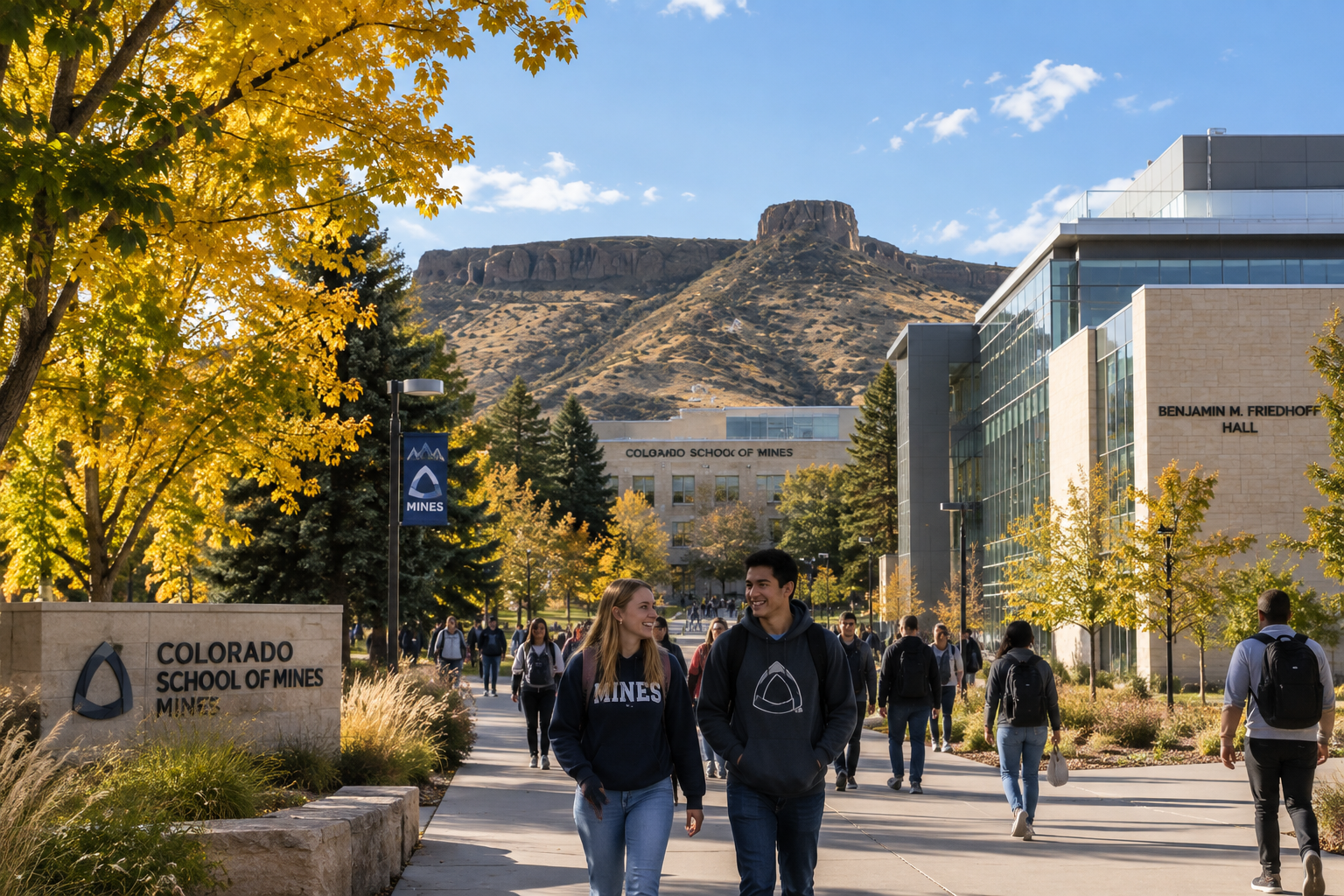
Colorado School of Mines campus
Colorado offers a practical model. Through my work with the Colorado Department of Labor and Employment’s statewide Teacher Externship Program, we helped connect 20 high school teachers with Colorado School of Mines’ Edgar Experimental Mine. Most had never visited a mine. The experience gave them firsthand exposure to modern mining education and careers that they could carry back to their students.
One experience can influence far more than the people in the room. Teachers can introduce entire classrooms—and successive years of students—to careers they might otherwise never encounter.
Students also need a visible path forward. A compelling career story should lead directly to relevant college programs, technical training, scholarships, internships and apprenticeships. Inspiration without a next step is easily lost.
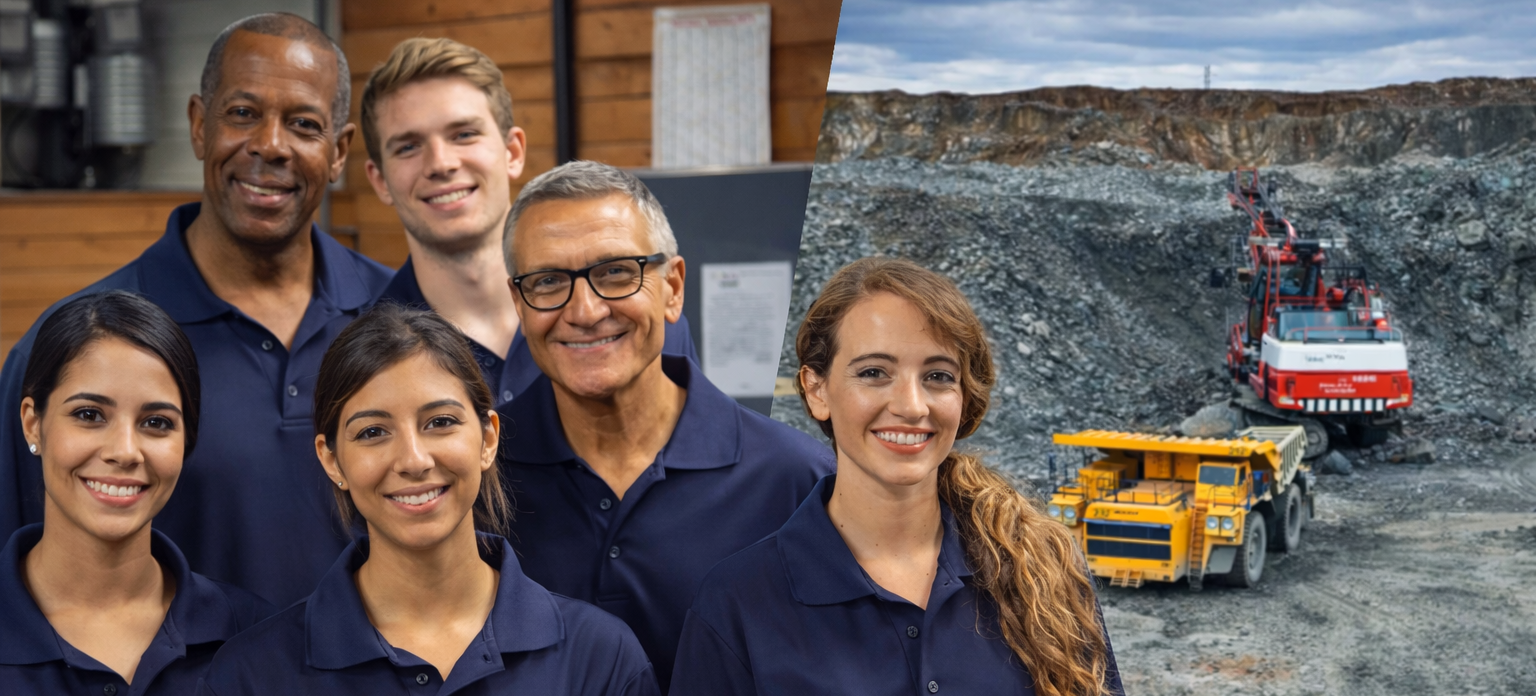
Career Invites mining career library example
Technology now makes it possible to bring real professionals into thousands of classrooms without requiring every employer to attend every career fair. This does not mean turning education into advertising. It means giving students accurate information, authentic perspectives and the freedom to make informed choices.
Young people are searching for careers with purpose. Critical-minerals professionals help supply the materials that make electrical grids, geothermal systems, battery storage, advanced manufacturing, transportation and national defense possible. They also help make mineral production faster, more efficient and more responsible through advances in environmental performance, mineral recovery and recycling.


If America modernizes and expands its mining schools without introducing more students to these possibilities, we may create better programs while preserving the same talent shortage.
PROSPECT can strengthen mining programs, expand scholarships and prepare more graduates. But doubling the number of mining-related graduates will also require the Department of Energy, mining schools and industry to reach students before college—equipping teachers and counselors with industry career stories that let students hear directly from professionals and provide easy next steps to degree programs, technical training, scholarships, internships and apprenticeships.
This is how a $100 million investment becomes college graduates, rewarding careers and a secure American supply chain.
Ken Beitel is the founder and CEO of Career Invites, a Colorado-based career and training discovery platform focused on energy, mining and skilled-trades careers. He also serves on the board of a foundation dedicated to sharing the legacy of a historic Colorado silver mine.